Decarbonization is the process of reducing greenhouse gas (GHG) emissions across all human activities, with the ultimate goal of reaching a net-zero or even carbon-negative footprint. It involves a deep transformation of energy, industrial and economic systems, moving away from fossil fuels towards cleaner, more sustainable alternatives.
Why is decarbonization important?
Decarbonization directly addresses global warming. Greenhouse gases such as carbon dioxide (CO₂), methane (CH₄) and nitrous oxide (N₂O) trap heat in the atmosphere, raising global temperatures. This has severe consequences, including:
- Sea level rise: melting glaciers and thermal expansion of ocean water threaten coastal regions.
- Extreme weather events: climate change intensifies storms, droughts, floods and heatwaves.
- Biodiversity loss: ecosystems are disrupted and many species face the risk of extinction.
The Paris Agreement and decarbonization
The Paris Agreement, adopted in 2015, sets a global framework to avoid dangerous climate change. It aims to limit global warming to well below 2°C, and ideally to 1.5°C, above pre-industrial levels. To get there, countries commit to reducing their GHG emissions and reaching a balance between emissions and removals in the second half of this century. Decarbonization is therefore essential to delivering the agreement.
Decarbonization strategies
There are multiple strategies, applicable across different sectors and activities:
1. Energy transition
- Renewable energy: increase the share of renewables (solar, wind, hydro, geothermal, biomass) in electricity generation.
- Energy efficiency: reduce energy consumption in buildings, industry and transport.
- Energy storage: develop storage technologies to ensure a stable supply from variable renewable sources.
2. Industry and transport
- Transport electrification: promote electric and hybrid vehicles and improve public transport.
- Industrial innovation: deploy digital and automated technologies to optimise processes and lower emissions.
- Circular economy: encourage production and consumption models based on reuse, recycling and waste reduction.
3. Carbon capture and natural sinks
- Carbon capture and storage (CCS): capture CO₂ from industrial sources and store it safely underground, as one form of carbon removals.
- Nature-based solutions: protect and restore forests, oceans and wetlands that act as natural carbon sinks.
Measuring progress toward decarbonization
To track progress credibly, companies and institutions need accurate measurement. The carbon footprint is the key tool, quantifying the GHG emissions associated with a product, service, organisation or event. Targets are most credible when aligned with science-based targets.
Carbon footprint measurement standards
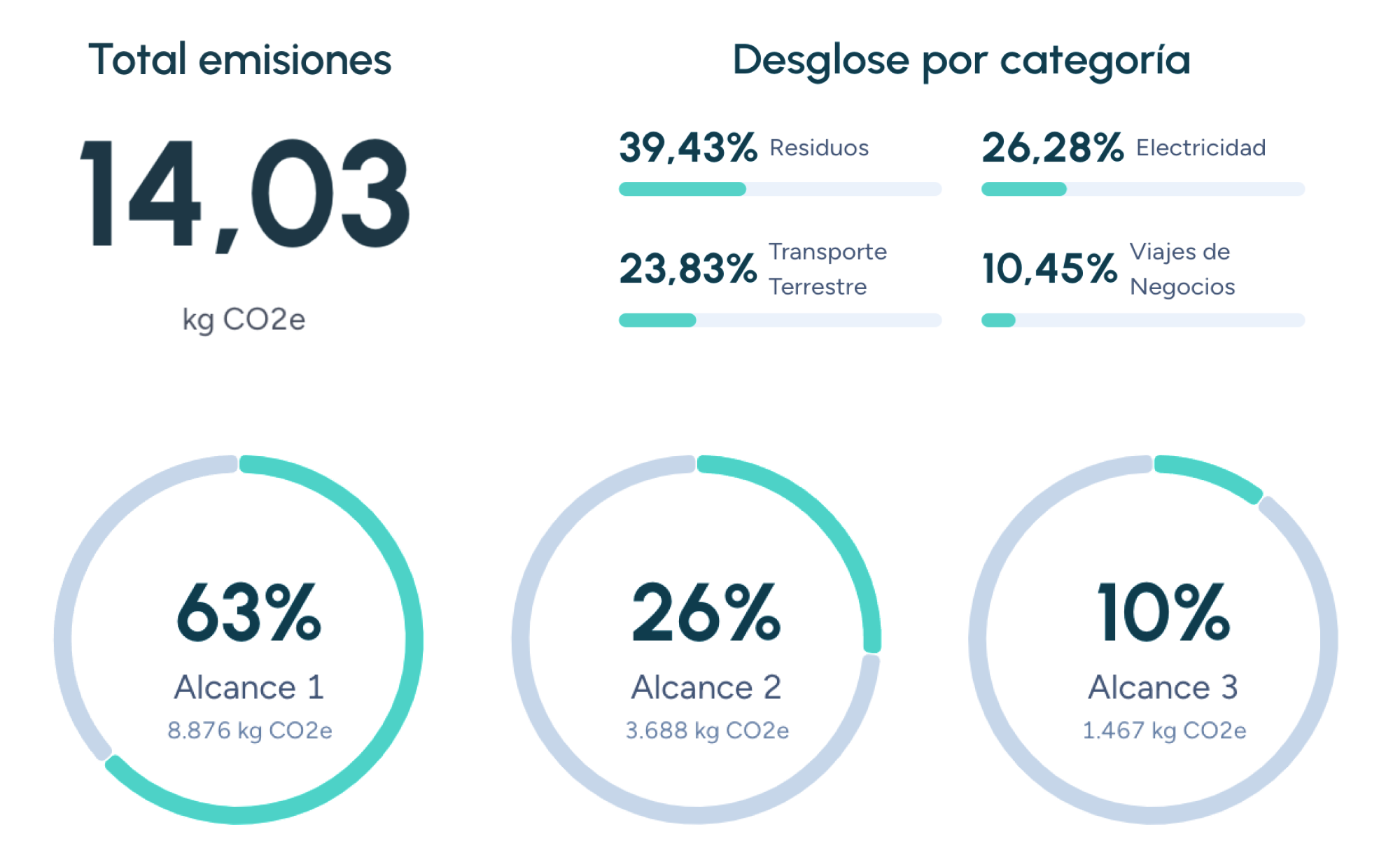
Several recognised standards exist, most notably the Greenhouse Gas Protocol, developed by the World Resources Institute (WRI) and the World Business Council for Sustainable Development (WBCSD). The GHG Protocol defines three emission scopes:
- Scope 1: direct emissions from sources owned or controlled by the organisation.
- Scope 2: indirect emissions from purchased electricity, heat or steam.
- Scope 3: other indirect emissions across the value chain, including the supply chain, transport and waste management.
By implementing effective strategies and measuring emissions accurately, businesses and governments can accelerate the transition to a low-carbon economy. At Manglai we help companies measure their carbon footprint and build a practical decarbonization roadmap. Discover how Manglai can help you.
Manglai Newsletter
Regulatory updates and product news, once a month.
Companies that trust us















Related terms
See all termsEmissions offsetting
Emissions offsetting balances residual GHG emissions by funding projects that reduce or remove an equivalent amount elsewhere. It should complement, never replace, real reductions.
Energy efficiency
A practical guide to energy efficiency: what it is, how it is calculated, the EU rules that drive it, and why it is one of the cheapest ways to cut emissions and costs.
Energy recovery
Energy recovery turns the energy content of non-recyclable waste into electricity, heat or fuels. A guide to the technologies, the rules, the benefits and the controversies, and its place in the circular economy.