Double materiality is the principle that requires a company to analyse sustainability from two perspectives simultaneously: how the company affects the environment and society, and how sustainability issues affect the company itself. It is the concept underpinning the entire Corporate Sustainability Reporting Directive (CSRD) and the European Sustainability Reporting Standards (ESRS).
This entry explains what double materiality is. If you are looking for how the exercise is carried out step by step (identification of IROs, thresholds, stakeholders), see the double materiality assessment entry.
The two dimensions of double materiality
Impact materiality (inside-out)
This refers to how the company's operations, products and services affect the environment and people. For example:
- Greenhouse gas emissions and contribution to climate change.
- Water consumption, pollution and waste generation.
- Respect for human rights in the value chain.
Financial materiality (outside-in)
This refers to how sustainability issues affect the company's financial position: revenue, costs, access to capital or valuation. For example:
- Physical risks of climate change (droughts, floods).
- Transition risks (new regulation, carbon pricing, demand shifts).
- Opportunities: new markets, efficiency gains, reputational improvement.
An issue is considered material if it is so from either perspective. It need not be material from both.
Why it is key in the CSRD and ESRS
ESRS 1 enshrines double materiality as the foundation of the entire system. The outcome of the assessment determines which thematic standards (climate, water, biodiversity, workforce, etc.) the company must report on in detail. The general disclosures under ESRS 2, however, are mandatory in all cases. Without a well-founded double materiality assessment, a sustainability report is non-compliant.
Double materiality and the carbon footprint
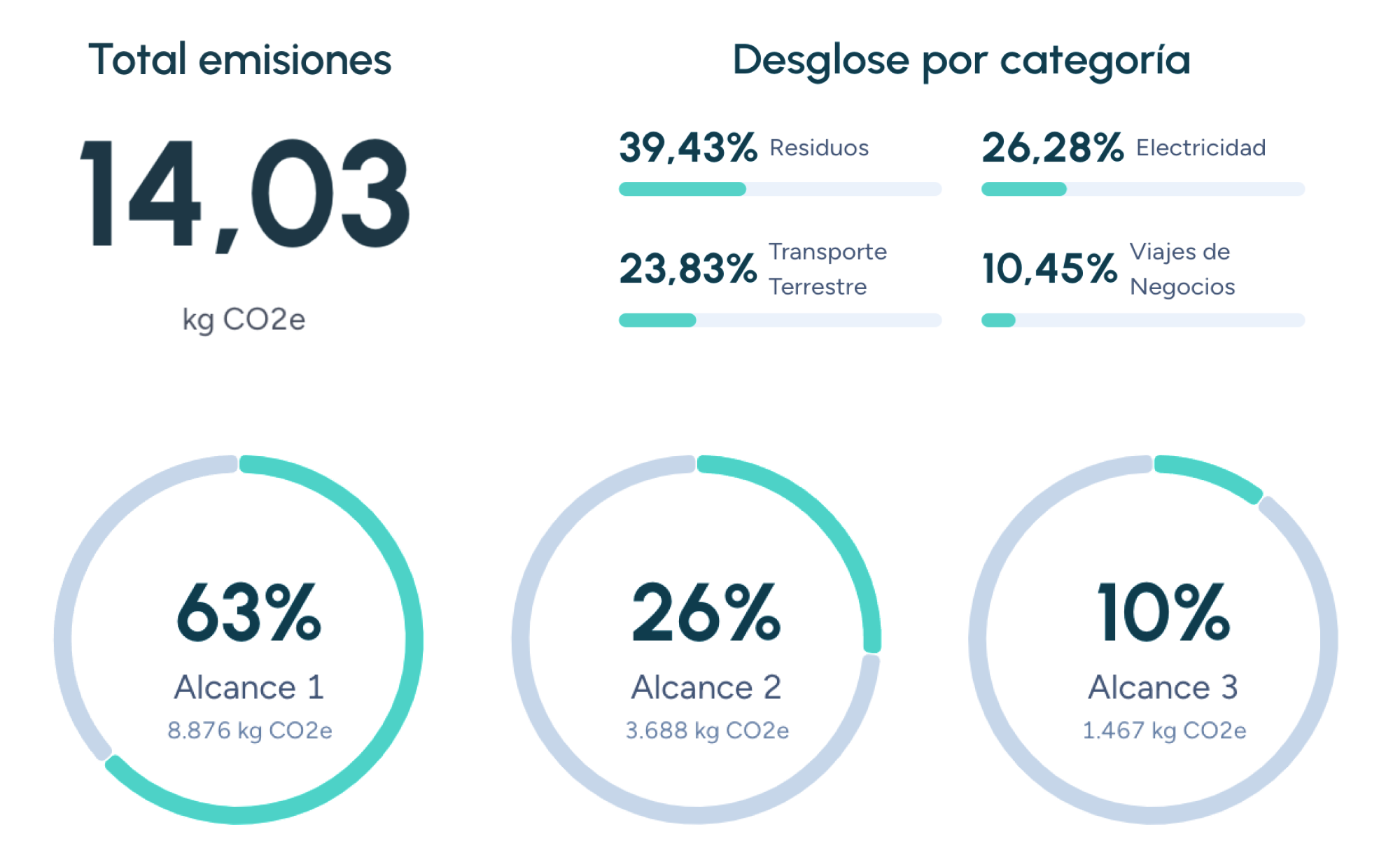
The carbon footprint is a good example of a doubly material issue: the company generates an impact (its Scope 1, Scope 2 and Scope 3 emissions) and, at the same time, faces financial risks arising from carbon pricing, regulation or energy costs. Measuring emissions is therefore a fundamental input for the assessment.
Regulatory status in 2026
Double materiality remains the cornerstone of the CSRD. Directive (EU) 2026/470 (Omnibus I, published in the Official Journal of the EU on 26 February 2026) raised the thresholds for companies subject to the obligation (more than 1,000 employees and €450 million in turnover) and the planned revision of the ESRS by end 2026 aims to simplify the exercise, but the double materiality principle is maintained.
At Manglai we help companies measure their carbon footprint and prepare their sustainability information under the double materiality approach. Discover how Manglai can help you.
Manglai Newsletter
Regulatory updates and product news, once a month.
Companies that trust us















Related terms
See all termsESG Due Diligence Requirements
An overview of ESG due diligence obligations: what they cover, the EU rules after the Omnibus I simplification, and the international standards companies use to comply.
ESG criteria
A set of environmental, social and governance criteria used by investors, regulators and customers to assess a company's sustainable and responsible performance.
Environmental Governance
What environmental governance is, why it matters for climate action, its key components, and how it connects to measuring and reducing the corporate carbon footprint.