The greenhouse effect is a natural phenomenon that makes life on Earth possible. Without it, the planet's average surface temperature would be roughly -18 °C instead of about 15 °C. However, human activities have intensified this effect, driving global warming and far-reaching changes in the climate. Understanding the greenhouse effect is essential to addressing climate change and acting to reduce our impact.
How does the greenhouse effect work?
Think of the atmosphere as the glass of a greenhouse. Solar energy passes through it as visible light and warms the Earth's surface. The Earth then re-emits part of that energy as infrared radiation. This is where greenhouse gases (GHGs), naturally present in the atmosphere, come into play.
Gases such as carbon dioxide (CO₂), methane (CH₄) and nitrous oxide (N₂O) absorb and retain part of this infrared radiation, preventing it from escaping to space and re-emitting heat back toward the surface. This process of absorbing and re-emitting heat is the greenhouse effect.
The main greenhouse gases
- Carbon dioxide (CO₂): mainly from burning fossil fuels (coal, oil and natural gas), deforestation and cement production.
- Methane (CH₄): from the decomposition of organic matter in landfills, livestock farming and fossil-fuel production.
- Nitrous oxide (N₂O): from nitrogen fertilizers, fossil-fuel combustion and some industrial processes.
- Fluorinated gases: used in refrigeration, air conditioning and industry; present in small quantities but with a global warming potential far higher than CO₂.
How human activity intensifies the greenhouse effect
Since the Industrial Revolution, human activities have sharply increased the concentration of greenhouse gases in the atmosphere. Burning fossil fuels, deforestation and intensive agriculture are the main contributors. According to the IPCC Sixth Assessment Report (AR6), human influence has warmed the planet by about 1.1 °C compared with pre-industrial levels, and this warming is unequivocally human-caused.
This stronger greenhouse effect raises global temperatures, with significant consequences:
- Rising sea levels as glaciers and ice sheets melt and oceans expand.
- More frequent and intense extreme events, such as heatwaves, droughts, floods and storms.
- Changes in precipitation patterns, affecting freshwater availability and increasing water stress.
- Ocean acidification, harming marine life.
- Biodiversity loss as ecosystems are disrupted.
Why measuring the carbon footprint matters
Tackling climate change means reducing greenhouse gas emissions. The carbon footprint measures the emissions associated with a product, service, organisation or individual, and is the first step to identifying the main sources and designing effective reduction strategies.
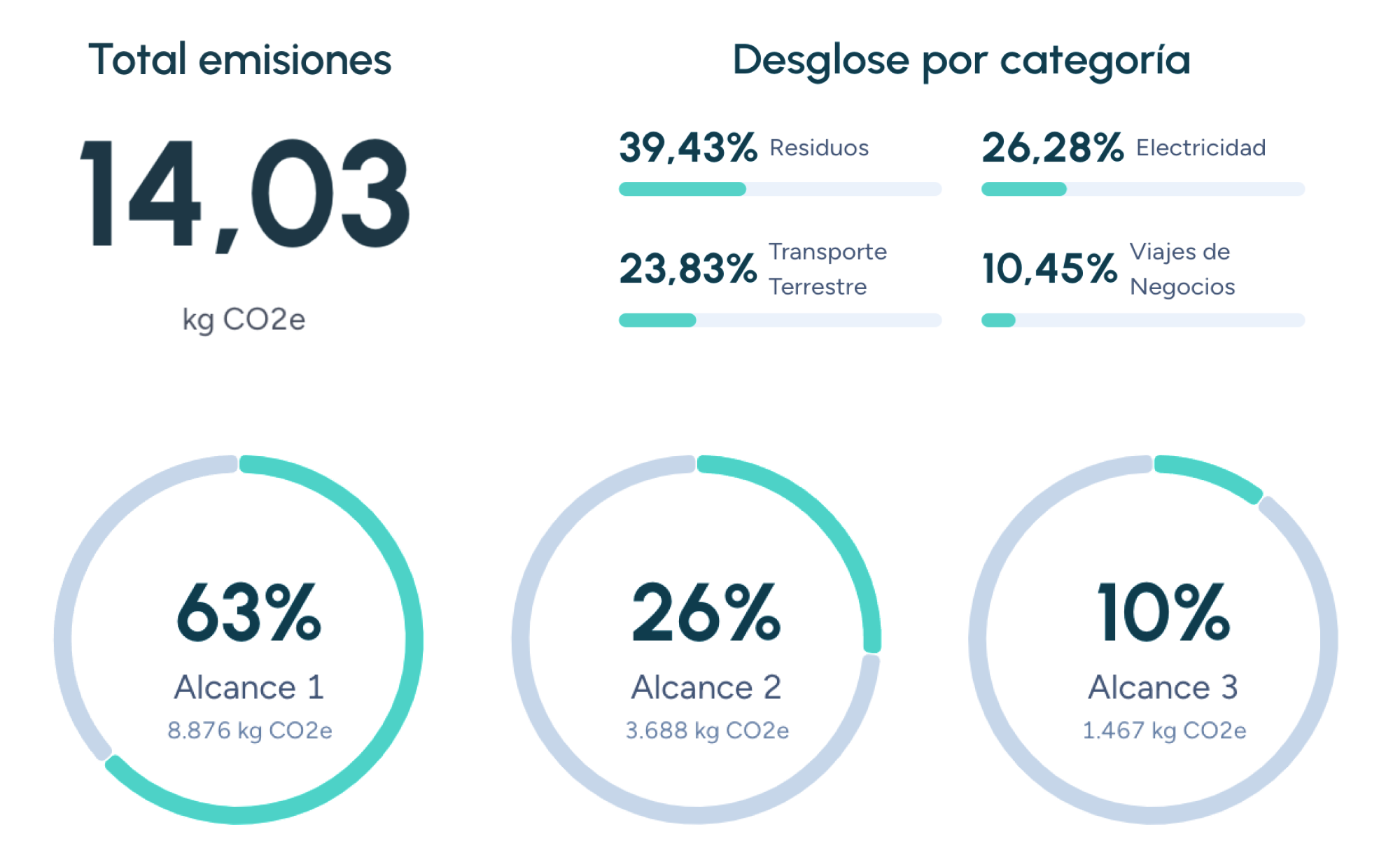
The Greenhouse Gas Protocol provides the international standard for accounting and reporting GHG emissions, organising them into three scopes:
- Scope 1: direct emissions from sources owned or controlled by the company.
- Scope 2: indirect emissions from purchased electricity, heat or steam.
- Scope 3: other indirect emissions across the product or service life cycle, including raw materials, transport, product use and waste management.
Reducing your contribution to the greenhouse effect starts with measuring it. At Manglai we help companies measure their carbon footprint and prepare their sustainability reporting. Discover how Manglai can help you.
Manglai Newsletter
Regulatory updates and product news, once a month.
Companies that trust us
















Related terms
See all termsGreenwashing
Greenwashing means projecting an eco-friendly image without the substance to back it. A guide to its forms, how to detect it, and the EU rules now closing in on misleading claims.
Green‑to‑Blue Ratio (G/B)
The Green-to-Blue Ratio shows how much a crop or process depends on rainfall versus extracted water; a higher value means less pressure on rivers and aquifers.
Grey Water Footprint
What the grey water footprint is, the standard equation used to calculate it, the pollutants it covers, and how it complements the blue and green water footprints.