NOM-161-SEMARNAT-2011 is a Mexican Official Standard (NOM) that sets out the criteria for classifying urban solid waste (RSU) and special-handling waste, as well as for drawing up waste management plans.
Its main goal is to promote a reduction in waste generation, encourage the recovery and recycling of materials, and ensure the correct final disposal of waste. In a country like Mexico, where urban growth has accelerated significantly, having clear guidelines for waste management is essential.
Large urban concentrations and the rise in consumption-related waste make responsible waste management one of the most pressing environmental challenges. The lack of adequate infrastructure in some municipalities and limited source separation habits make the picture more complex. In this context, NOM-161-SEMARNAT-2011 seeks to harmonise the actions of different parts of society and encourage more sustainable practices.
Waste classification
Under the standard, urban solid waste is divided into several groups depending on its nature and origin. It covers materials such as plastics, paper, metal, glass and organic waste, among others. For special-handling waste (for example, used tyres or electronic waste), the standard sets additional guidelines on collection and disposal.
This segmentation allows government bodies and specialised companies to design recycling and recovery strategies that reduce the amount of waste sent to landfill. It also promotes the creation of industries that can use recovered materials as raw materials.
Management plans
NOM-161-SEMARNAT-2011 requires waste generators and companies to prepare management plans covering the entire life cycle of products, including source prevention, separate collection, safe transport and controlled final disposal.
These plans must be submitted to the Ministry of Environment and Natural Resources (SEMARNAT) and to the competent state and municipal authorities for evaluation and approval. A key principle of these plans is shared responsibility: from producers of goods and packaging through to final consumers and waste managers, each party must meet its obligations so that waste receives proper treatment.
Benefits and challenges
Proper implementation of NOM-161-SEMARNAT-2011 offers several benefits:
- Reduced pollution: by limiting the amount of waste ending up in landfills or illegal dumps, it lowers polluting emissions and the risk of contaminating soil and groundwater.
- Boost to the circular economy: reintroducing recovered materials into production chains promotes innovation and job creation in the recycling sector.
- Better quality of life: cleaner cities and improved waste management contribute to public health and the preservation of biodiversity.
However, complying with the standard also faces challenges. Many municipalities lack the resources to modernise their collection and treatment systems, and household waste separation habits are not yet fully established, which limits the efficiency of recycling programmes.
The importance of NOM-161-SEMARNAT-2011
NOM-161-SEMARNAT-2011 is a cornerstone of Mexico's strategy for integrated waste management. Its implementation goes beyond simply disposing of waste, promoting the circular economy and environmental care.
With the active participation of companies, authorities and citizens, it is possible to move towards cleaner cities, reduce pressure on landfills and make responsible, sustainable use of the resources contained in waste.
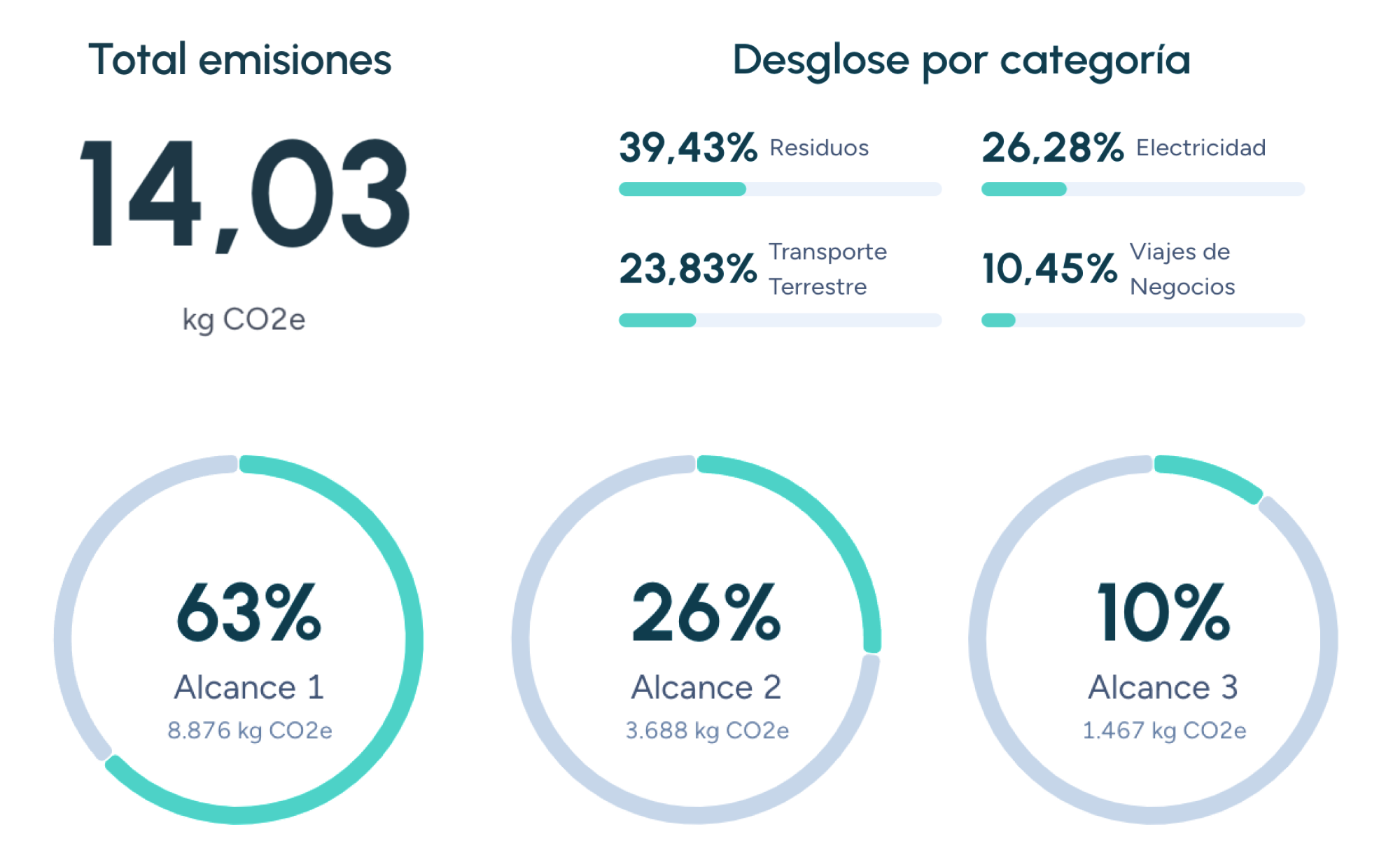
At Manglai we help companies measure their carbon footprint and quantify the emissions associated with waste and its management. Discover how Manglai can help you.
Manglai Newsletter
Regulatory updates and product news, once a month.
Companies that trust us










Related terms
See all termsNational Development Plan (PND)
The National Development Plan (PND) is the Mexican government's guiding document that defines, each six-year term, its social, economic and environmental development objectives and strategies.
National Water Security Index (NWSI)
The National Water Security Index (NWSI) is the headline metric of the ADB's Asian Water Development Outlook, summing five key dimensions to score national water security from 0 to 100.
Non-financial information statement (EINF)
Reporting obligation introduced in Spain by Law 11/2018 covering environmental, social, personnel, human rights and anti-corruption matters, with independent verification.