The term reduced carbon footprint refers to products, services, or organizations that have verifiably decreased their greenhouse gas (GHG) emissions compared with a previous baseline or reference period. It represents a tangible step within decarbonization strategies and is sometimes communicated through climate labels or certifications that confirm the improvement.
Standards and reference frameworks
- ISO 14067: the international standard for quantifying the carbon footprint of products. It supersedes the older British specification PAS 2050, which is now obsolete.
- GHG Protocol: the most widely used framework for organizational GHG accounting across Scope 1, Scope 2, and Scope 3.
- Science Based Targets initiative (SBTi): sets criteria for emission reductions aligned with limiting warming to 1.5 degrees Celsius.
- EU sustainability reporting: frameworks such as the CSRD and the ESRS require companies to disclose measurable progress on emissions.
What makes a reduction credible
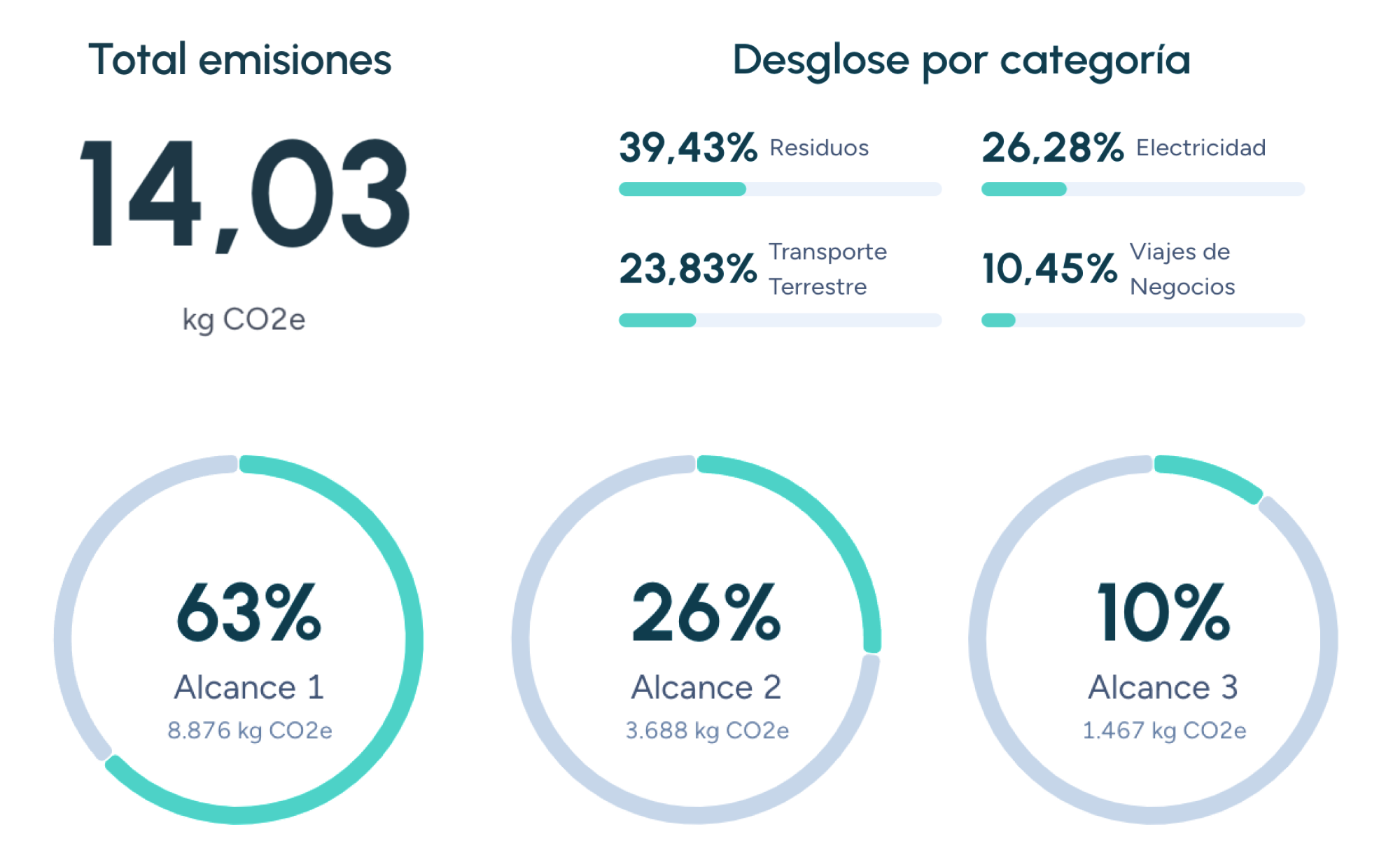
- Robust measurement: a complete GHG inventory covering Scopes 1, 2, and 3 in line with the GHG Protocol.
- Defined baseline: a clear comparison against a specific year or a previous product version.
- Quantifiable reduction: a genuine decrease in absolute emissions or in carbon intensity (for example kg CO2e per unit), tracked over time.
- Independent verification: third-party assurance by accredited bodies, which strengthens credibility and reduces greenwashing risk.
Common reduction strategies
- Eco-design: optimise materials, lighten packaging, and increase recycled content.
- Renewable energy: replace fossil-based electricity and heat in production.
- Optimised logistics: shorten transport routes and shift to lower-emission modes and fuels.
- Circularity: introduce take-back, repair, and reuse programmes for products and components.
Benefits
- Competitiveness: stronger appeal to environmentally conscious consumers and institutional buyers.
- Regulatory readiness: supports adaptation to carbon pricing and policies such as the Carbon Border Adjustment Mechanism (CBAM).
- Trust: demonstrates transparency and accountability to investors, customers, and regulators.
Challenges
- Investment: new technologies or process redesign can require upfront capital.
- Data availability: accurate information across complex supply chains, especially Scope 3, is hard to obtain.
- Greenwashing risk: arises when a claimed reduction is not significant, not verifiable, or poorly communicated.
A genuine reduced carbon footprint is a measurable step toward carbon neutrality and net zero. When reductions are real, measurable, and independently verified, they signal authentic environmental commitment. At Manglai we help companies measure their carbon footprint and prepare their sustainability reporting. Discover how Manglai can help you.
Manglai Newsletter
Regulatory updates and product news, once a month.
Companies that trust us














Related terms
See all termsReverse logistics platforms
What reverse logistics platforms are, the EU framework that drives them, their core operations, and the environmental and economic benefits of recovering value from returned materials.
Sewage sludge
Sewage sludge is an unavoidable by-product of wastewater treatment, but it can become a resource for agriculture, energy and industry within the circular economy.
Social aspects
The social dimension of the carbon footprint: how consumption, equity and governance influence emissions, and how a just transition makes climate action fair as well as effective.