Regenerative livestock farming applies the principles of regenerative agriculture to the management of animals, mainly through managed grazing. The goal is for the presence of livestock to improve the soil and pastures rather than degrade them, mimicking the movement patterns of large herbivores in nature.
The central tool is rotational grazing, also described as holistic or managed grazing: animals are concentrated on small plots for short periods and then moved, leaving the vegetation to rest for weeks. Well managed, this rest can support the recovery of pastures, greater soil cover and the build-up of organic matter.
Soil and carbon sequestration
By improving plant cover and organic matter, managed grazing can increase carbon sequestration in the soil, helping grasslands act as carbon sinks. This is the basis for the idea of livestock farming that delivers benefits to natural capital and fits within nature-based solutions, while also improving water retention and pasture biodiversity.
The enteric methane challenge
The main climate impact of ruminant livestock is enteric methane, a greenhouse gas produced during digestion in cattle, sheep and goats. It is the most significant source of emissions in the livestock sector, and regenerative grazing does not eliminate it. It can be partly managed through forage quality and composition, stocking rates and other management measures, but methane remains inherent to raising ruminants.
A net balance under debate
There is an open scientific debate about the net emissions balance of regenerative livestock farming. The underlying question is whether the carbon sequestered in soil offsets the methane and other emissions from the animals. The available evidence is mixed and worth knowing:
- Soil carbon sequestration can be temporary and reversible, and tends to saturate after a few years, once the soil reaches a new equilibrium.
- When the soil stops capturing additional carbon, those lands can behave again as a net source of emissions.
- There is no scientific consensus that these practices can durably offset enteric methane, and long-term evidence is still lacking.
For that reason, claims of "climate-positive livestock" should be treated carefully and backed by measurement, avoiding overstating the effect on the carbon footprint. Since 2026, accounting for these emissions and removals rests on the GHG Protocol Land Sector and Removals Standard.
What it offers a company
For food companies with livestock in their supply chain, regenerative practices can improve soil health, pasture condition, animal welfare and resilience to drought, as well as offering additional environmental benefits. Their real climate contribution, however, must be measured case by case and not assumed from the label.
Measure the impact with Manglai
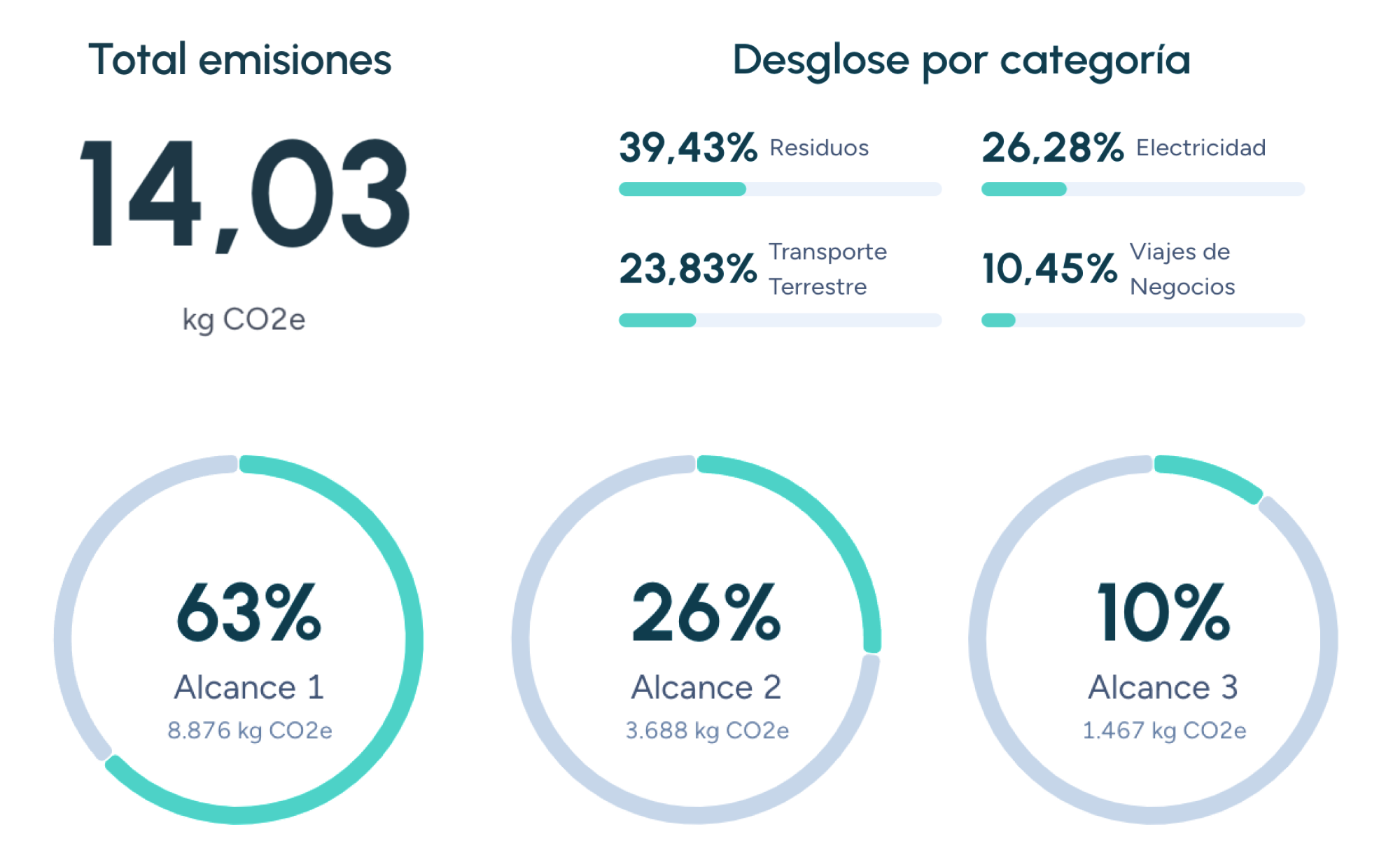
Without measurement there is no way to stand behind a climate claim about livestock. With Manglai's carbon footprint module you can quantify methane and the rest of your farming value chain emissions with verifiable data.
Manglai Newsletter
Regulatory updates and product news, once a month.
Companies that trust us















Related terms
See all termsRepairability Index
The repairability index is a 0 to 10 score that tells consumers how easy a product is to repair, pioneered in France in 2021 and now evolving towards a broader durability index.
Responsible consumption
Responsible consumption means choosing goods and services based not only on personal needs but on their environmental, social and economic impact, a cornerstone of sustainable lifestyles and the circular economy.
SUMe (Sustentabilidad para México)
SUMe (Sustentabilidad para México) is a multi-sector non-profit and Mexico's member of the World Green Building Council, promoting sustainable construction, energy efficiency and responsible use of natural resources.