Socially responsible investment (SRI) is an investment approach that integrates environmental, social and governance (ESG) criteria into financial decision-making. It looks beyond financial return to consider an asset's impact on the climate, human rights, labour standards, transparency and corporate ethics, so that capital supports sustainable development rather than working against it.
How SRI works
SRI is not a single technique but a family of strategies that investors often combine:
- Negative screening: excluding sectors judged harmful, such as tobacco, controversial weapons, thermal coal or, for many funds, fossil fuels.
- Positive or best-in-class screening: favouring companies with the strongest ESG performance in their sector.
- ESG integration: systematically factoring ESG risks and opportunities into financial analysis.
- Thematic and impact investing: targeting specific outcomes such as renewable energy or affordable housing, and measuring the real-world impact achieved.
- Active ownership: using shareholder voting and engagement to push companies to improve.
SRI and the carbon footprint
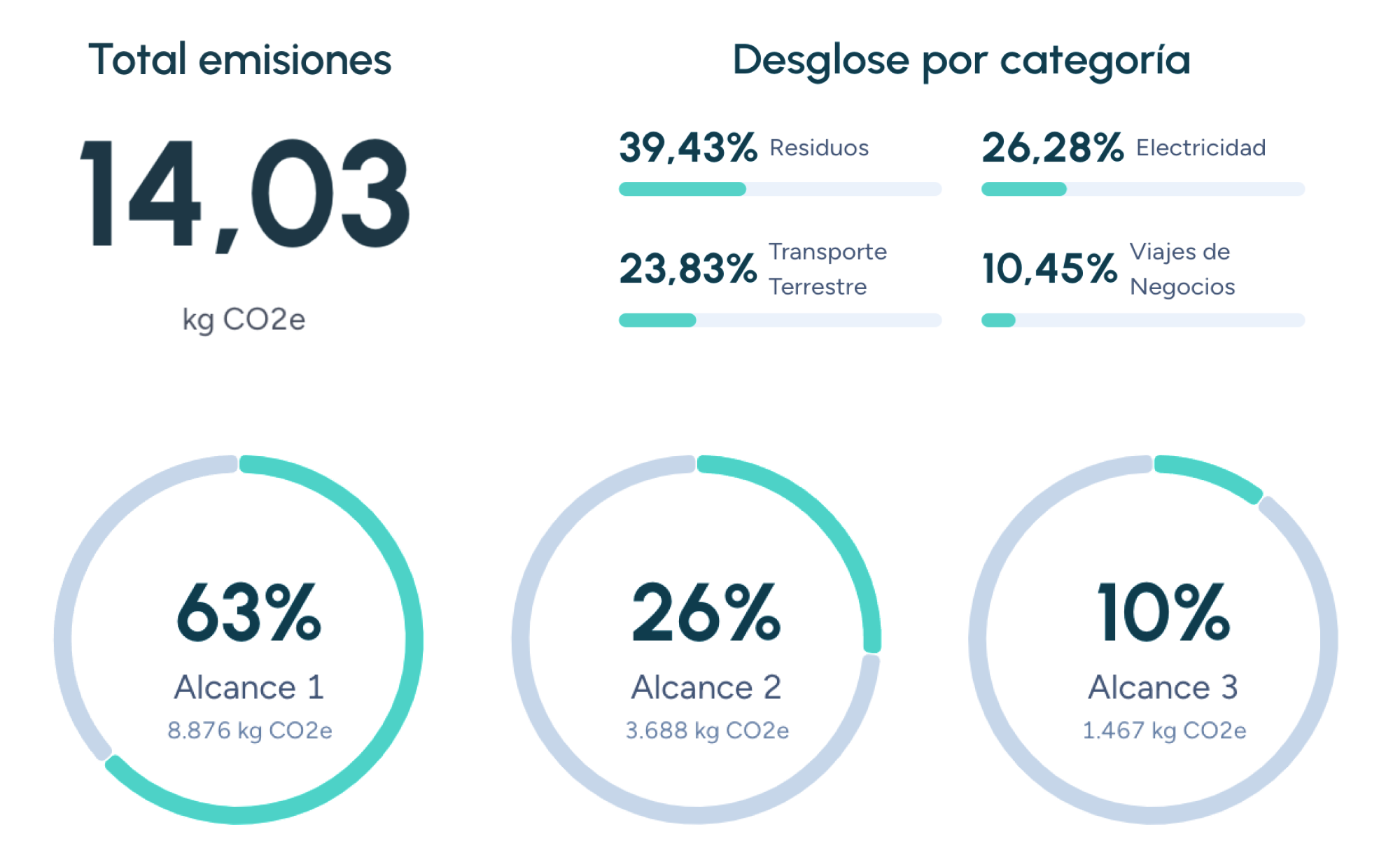
A central focus of SRI is environmental performance, and in particular the carbon footprint. Investors increasingly assess emissions across the three scopes defined by the GHG Protocol:
- Scope 1: direct emissions from sources the company controls.
- Scope 2: indirect emissions from purchased electricity, heat or steam.
- Scope 3: indirect emissions across the value chain.
A carbon-intensive company can represent a financial and reputational risk as carbon pricing and disclosure rules tighten, which is why emissions data feeds directly into responsible investment decisions.
The regulatory framework
In the EU, SRI is underpinned by a growing rulebook designed to improve transparency and curb greenwashing:
- SFDR: the Sustainable Finance Disclosure Regulation, which sets out how funds disclose sustainability characteristics. A proposed revision ("SFDR 2.0", November 2025) would replace the current Article 8 and 9 framework with defined product categories such as Sustainable, Transition and ESG basics.
- EU Taxonomy: the classification of environmentally sustainable activities, simplified in 2026 to reduce the reporting burden.
- CSRD: the corporate sustainability reporting rules that give investors comparable ESG data, with thresholds raised by the 2026 Omnibus simplification.
Benefits of SRI
- Risk management: sustainable companies are often better prepared for regulatory, climate and reputational risks.
- Investor demand: a growing share of capital seeks ESG-aligned options.
- Long-term performance: strong ESG management can correlate with resilience and operational efficiency.
At Manglai we help companies measure their carbon footprint and prepare the ESG and emissions data that responsible investors and regulators increasingly require. Discover how Manglai can help you.
Manglai Newsletter
Regulatory updates and product news, once a month.
Companies that trust us















Related terms
See all termsSustainability-linked bonds (SLB)
Bonds whose financial characteristics, such as the coupon, change if the issuer fails to meet predefined sustainability performance targets (SPTs) measured through KPIs.
Voluntary carbon market
A marketplace for buying and selling carbon credits outside mandatory schemes, used by companies to offset residual emissions under integrity criteria.
AENOR mark
The AENOR mark is a quality and trust mark issued by AENOR, the leading certification body in Spain, covering standards on quality, environment, energy and more.