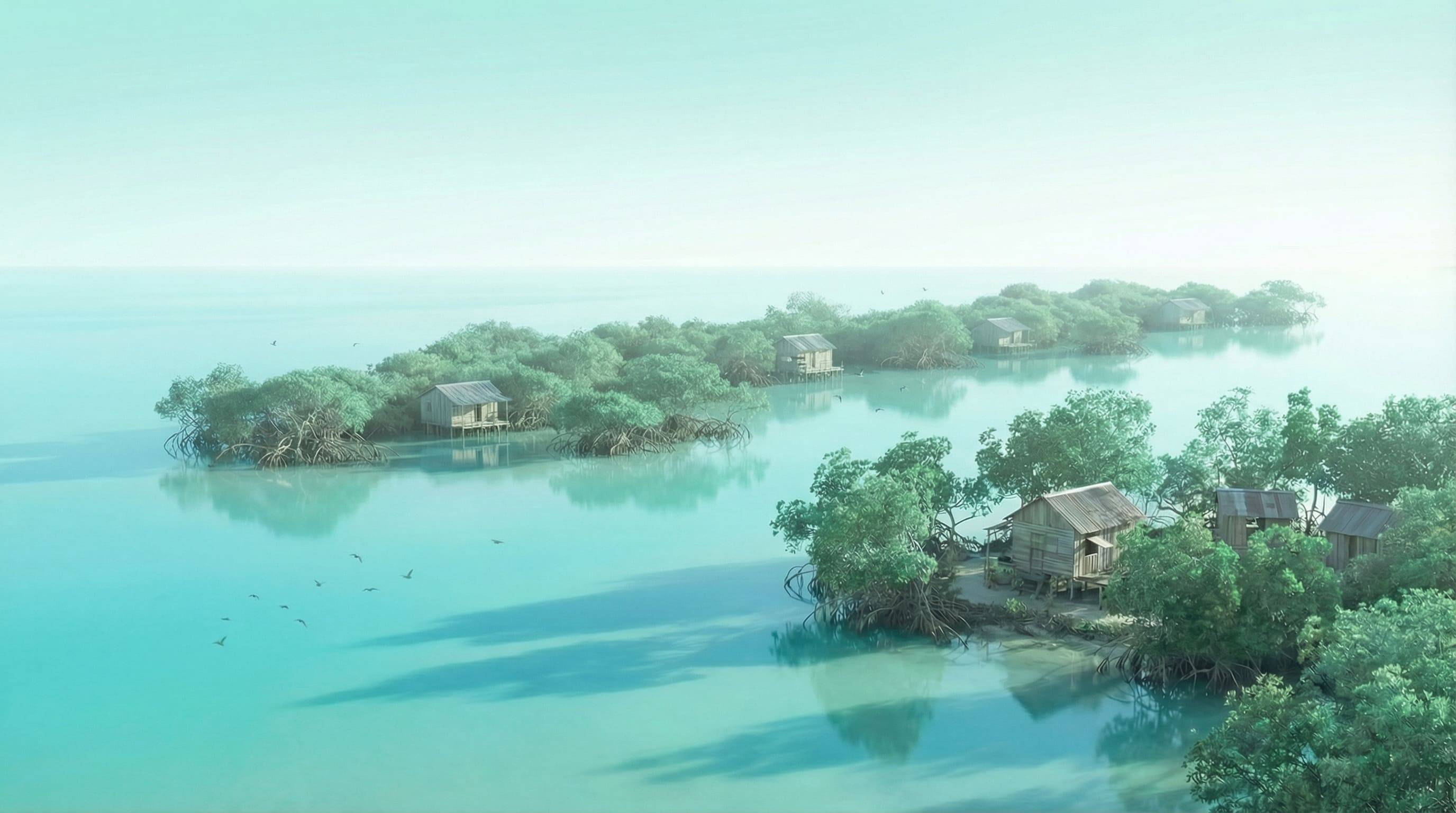
Permaculture is a design philosophy that builds human systems modelled on the patterns of natural ecosystems. Although it began in agriculture, its principles, including resource cycling, closed loops and designing out waste, increasingly inform how companies manage land, supply chains and sustainability strategy. Its distinguishing idea is regeneration: actively restoring ecosystems rather than simply doing less harm.
This article explains the fundamentals of permaculture and why they are relevant to business.
Understanding permaculture
At its core, permaculture is about designing sustainable human environments by observing nature's patterns, such as polycultures, resource cycling and closed-loop systems, and replicating them in a human context. Its widely cited principles include:
- Observe and interact: understand the existing environment before making changes.
- Catch and store energy: capture natural flows of sunlight, water and wind for later use.
- Obtain a yield: ensure the system delivers tangible benefits, whether food, energy or revenue.
- Apply self-regulation: design feedback loops that minimise external inputs.
- Use and value renewables: prioritise renewable resources and energy.
- Produce no waste: build circular systems where the output of one process feeds another.
Why permaculture is relevant to business
- Resource efficiency: designing out waste aligns directly with corporate sustainability goals and circular economy principles.
- Biodiversity and soil health: practices such as companion planting and regenerative agriculture boost biodiversity, enhance soil fertility and help sequester carbon.
- Community engagement: permaculture projects often involve local communities, strengthening social impact.
- Resilience and risk management: systems designed on these principles are more resilient to climate variability, reducing operational risk.
Real-world applications
- Corporate campuses: converting amenity lawns into edible or biodiverse landscapes can lower maintenance costs, capture carbon and provide produce.
- Agricultural supply chains: companies that depend on raw materials can encourage suppliers to adopt permaculture and regenerative techniques for more stable yields and lower impact. See our guide to permaculture farming for agribusiness.
- Urban development: developers can integrate green roofs, rainwater harvesting and community gardens into buildings.
- Hospitality: resorts and hotels can use permaculture design for on-site gardens, cutting imported-food costs and enhancing guest experience.
Permaculture versus conventional sustainability
Conventional sustainability often focuses on reducing harm: lowering emissions, cutting waste and improving efficiency. Permaculture goes further by designing regenerative systems that actively restore ecosystems. Both pursue environmental stewardship, but permaculture emphasises working with natural processes rather than only mitigating negative impacts.
Challenges to adoption
- Initial investment: design and implementation can be resource-intensive at the start.
- Knowledge gap: trained permaculture designers may be needed to guide the process.
- Cultural resistance: stakeholders may be sceptical of unconventional land-management practices.
- Time to maturity: systems often take several growing seasons to become fully productive, requiring a long-term view.
Overcoming barriers
- Pilot projects: start with small demonstrations to show tangible benefits.
- Stakeholder education: use workshops and site tours to explain the advantages.
- Collaboration: partner with local experts, universities or NGOs for knowledge and resources.
- Financial incentives: look for grants, tax relief or green financing that supports sustainable land use.
Frequently asked questions
Can permaculture realistically apply outside farming?
Yes. The design principles, closed loops, resource cycling and regeneration, apply to corporate campuses, real-estate development, hospitality and supply-chain management, not only to growing food.
How is permaculture different from a circular economy?
The circular economy focuses on keeping materials and products in use; permaculture is a wider design philosophy rooted in ecology that also covers land, water and biodiversity. They are complementary.
To measure the environmental impact these practices aim to reduce, explore Manglai's carbon footprint software.