The term carbon negative has become a key concept in climate action. As companies, governments and organisations look for ways to reduce their impact, being carbon negative represents a step beyond carbon neutrality. But what does it actually mean, how is it measured, and why does it matter for corporate sustainability?
What does it mean to be carbon negative?
Being carbon negative means that an organisation, product or process not only offsets all the greenhouse gas (GHG) emissions it generates, but removes more carbon from the atmosphere than it emits. A carbon-negative entity therefore goes beyond neutrality and actively reduces atmospheric carbon dioxide (CO₂).
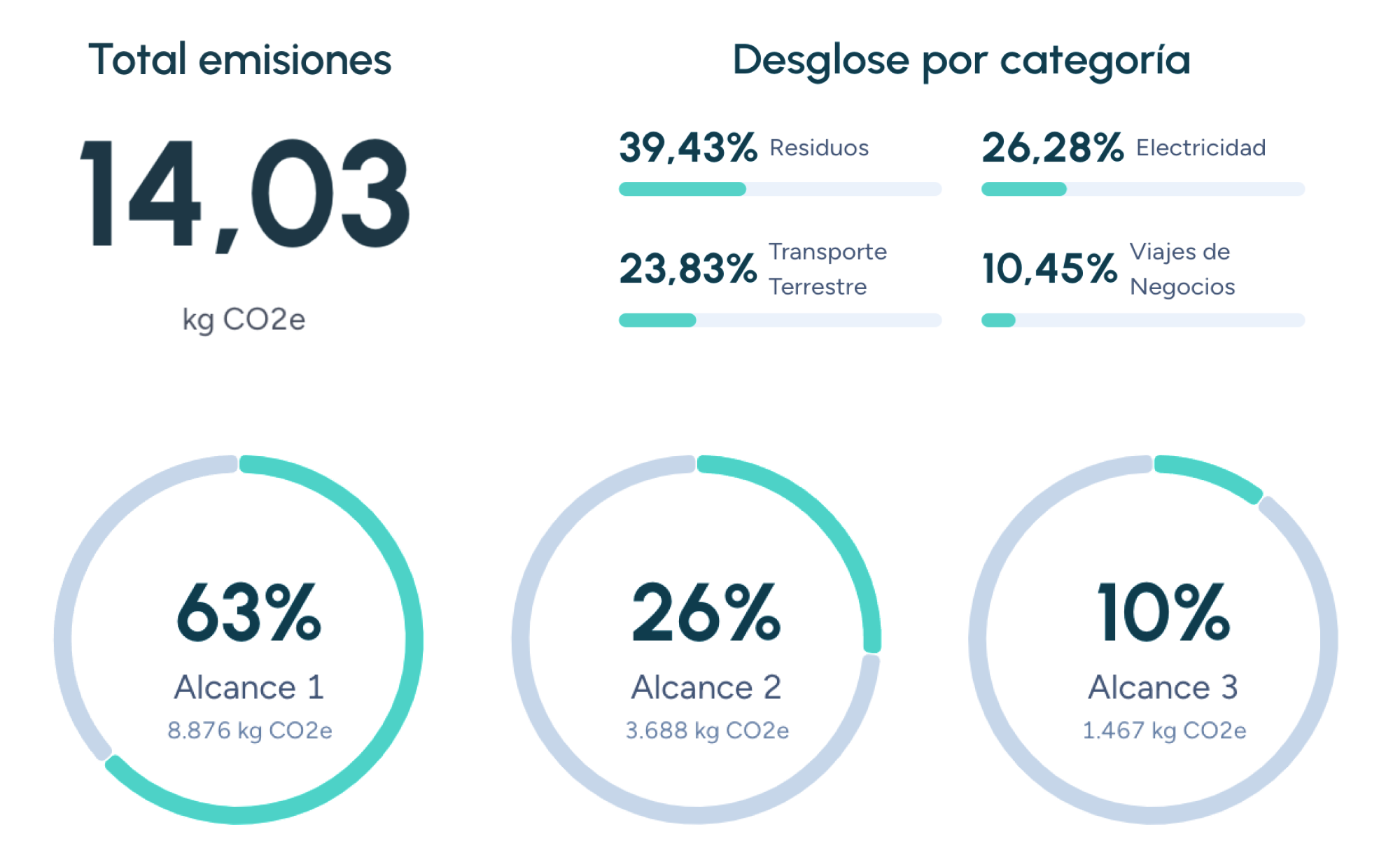
This is directly tied to measuring the carbon footprint, which accounts for all GHGs generated directly or indirectly by an activity. To be carbon negative, an organisation must first accurately calculate its footprint across Scope 1, Scope 2 and Scope 3 as defined by the GHG Protocol.
Carbon negative vs carbon neutrality
It is important to tell the two apart. Carbon neutrality is reached when generated emissions are fully balanced, including through certified offsets. Being carbon negative goes further by removing more carbon than is emitted.
For example, a company might reach neutrality by investing in reforestation or renewable energy to offset its emissions. To become carbon negative, it would need additional measures, such as carbon capture technologies or regenerative practices that absorb more carbon than its operations generate.
Why being carbon negative matters
Going carbon negative is important for addressing the climate crisis. According to the IPCC, limiting global warming to 1.5°C requires not only deep emission cuts but also removing significant amounts of carbon from the atmosphere. Carbon-negative organisations contribute directly to that removal. Recognised frameworks such as the Science Based Targets initiative stress that removals should complement, not replace, steep reductions in gross emissions.
How to measure and achieve carbon-negative status
Reaching carbon-negative status requires precise measurement and effective reduction and removal strategies. The key steps are:
- Measure emissions: calculate GHG emissions accurately using recognised standards such as the GHG Protocol.
- Reduce emissions: apply decarbonisation measures such as renewable energy, energy efficiency and process optimisation.
- Offset remaining emissions: invest in certified offset projects, such as reforestation or carbon capture.
- Remove additional carbon: use carbon capture and storage or support regenerative initiatives that absorb more carbon than is emitted.
Technologies and strategies for carbon removal
Carbon capture and storage (CCS)
CCS captures CO₂ from industrial processes or the air and stores it safely in geological formations. Despite economic and technical challenges, it is seen as a promising tool for carbon-negative strategies. See carbon storage for more detail.
Nature-based solutions
Nature-based solutions such as reforestation, ecosystem restoration and regenerative agriculture remove carbon while delivering co-benefits like biodiversity and water protection. These rely on healthy carbon sinks.
Bioenergy with carbon capture and storage (BECCS)
BECCS combines bioenergy production with carbon capture and storage, generating energy while removing carbon, which makes it an attractive option for carbon-negative goals.
Benefits of being carbon negative
- Competitive advantage: carbon-negative companies are seen as sustainability leaders, strengthening reputation.
- Regulatory readiness: staying ahead of tightening rules helps avoid penalties and capture incentives.
- Long-term savings: investments in efficiency and clean technology pay off over time.
- Market access: many partners and governments prioritise suppliers with strong climate commitments.
At Manglai we help companies measure, reduce and offset their emissions on the path towards neutrality and beyond. Discover how Manglai can help you.
Manglai Newsletter
Regulatory updates and product news, once a month.
Companies that trust us
















Related terms
See all termsCarbon removals
Carbon removals capture CO₂ already emitted and store it durably. They are essential for addressing residual emissions on the path to net zero, complementing reductions.
Carbon sinks
Carbon sinks are natural or artificial systems that absorb and store more carbon dioxide than they emit, such as forests, oceans and soils, helping to offset emissions and slow climate change.
Carbon storage
Carbon storage is the process of capturing carbon dioxide (CO2) and keeping it out of the atmosphere for a long period, in natural ecosystems such as forests or soils, or through technological solutions such as geological storage.