Global warming is the long-term increase in the average temperature of the Earth's atmosphere and oceans, caused mainly by rising concentrations of greenhouse gases (GHGs) released by human activity since the Industrial Revolution. According to the IPCC Sixth Assessment Report (AR6), human influence has warmed the planet by about 1.1 °C between 1850-1900 and 2011-2020, and it is unequivocal that this warming is human-caused.
Global warming is the core driver of climate change: a broader concept that also covers shifts in precipitation, wind patterns and the frequency of extreme events. It is one of the defining challenges of the 21st century.
What causes global warming?
The natural greenhouse effect keeps the planet habitable, but human emissions have intensified it. The main sources are:
- Burning fossil fuels: coal, oil and natural gas used for energy, transport and industry are the largest source of carbon dioxide (CO₂).
- Deforestation: forests act as carbon sinks; clearing and degrading them reduces the planet's capacity to absorb CO₂.
- Agriculture and livestock: intensive farming releases methane (CH₄) and nitrous oxide (N₂O) from enteric fermentation, manure and nitrogen fertilizers.
- Industrial processes: activities such as cement and steel production emit GHGs directly during manufacturing.
Consequences of global warming
- Sea level rise: melting glaciers and polar ice, together with thermal expansion of the oceans, threaten coastal and island regions.
- More frequent extreme events: heatwaves, droughts, intense rainfall and storms become more common and severe, increasing water stress in many regions.
- Biodiversity loss: rapid changes disrupt ecosystems, migration patterns and reproductive cycles, raising the risk of extinctions.
- Human health impacts: heat stress, worsening air quality, malnutrition and the wider spread of certain infectious diseases.
How is global warming measured?
Scientists track global warming through the average global surface temperature anomaly relative to the pre-industrial period (1850-1900). The IPCC, drawing on datasets from agencies such as NASA, NOAA and the WMO, is the leading authority assessing this evidence. The Paris Agreement sets the goal of holding warming well below 2 °C and pursuing efforts to limit it to 1.5 °C above pre-industrial levels.
Carbon footprint and global warming
At organisational level, the carbon footprint measures the total GHGs emitted directly or indirectly by a company, product or event, expressed in tonnes of CO₂ equivalent (tCO₂e) using each gas's global warming potential. Measuring it is the first step to identifying emission hotspots and reducing them.
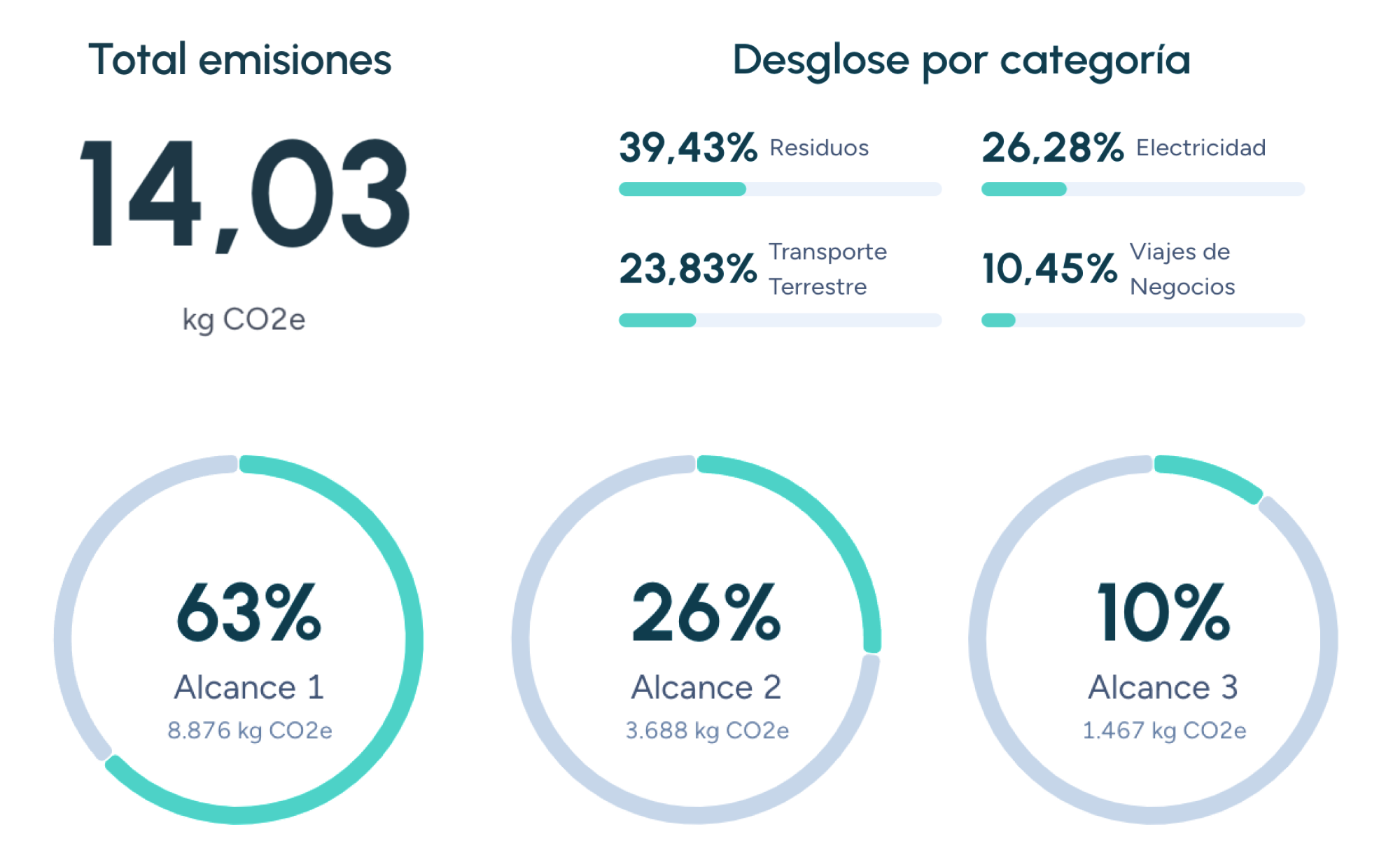
The GHG Protocol, developed by the World Resources Institute (WRI) and the World Business Council for Sustainable Development (WBCSD), is the most widely used accounting standard. It organises emissions into three scopes:
- Scope 1: direct emissions from sources the company owns or controls.
- Scope 2: indirect emissions from purchased electricity, heat or steam.
- Scope 3: all other indirect emissions across the value chain, from suppliers to product use.
Solutions: how to fight global warming
- Decarbonisation: switching to renewable energy and improving energy efficiency.
- Science-based targets: setting science-based targets aligned with a 1.5 °C pathway.
- Protecting and restoring ecosystems: conserving forests, wetlands and oceans that store carbon.
- Mitigation and adaptation: cutting emissions while building climate resilience to unavoidable impacts.
Tackling global warming starts with reliable data. At Manglai we help companies measure their carbon footprint and prepare their sustainability reporting so they can set credible reduction targets. Discover how Manglai can help you.
Manglai Newsletter
Regulatory updates and product news, once a month.
Companies that trust us















Related terms
See all termsGreen Water Footprint
The green water footprint measures the rainwater held in the soil and used by crops and vegetation through evapotranspiration, the main form of water consumption in rainfed agriculture.
Greenhouse Gases (GHG)
Greenhouse gases (GHG) trap heat in the atmosphere and, in excess, accelerate climate change. We explain what they are, their global warming potential according to the IPCC and how to measure them.
Greenhouse effect
The greenhouse effect is a natural phenomenon that keeps Earth warm enough for life, but human emissions have intensified it and are driving climate change.