Climate neutrality is achieved when the volume of greenhouse gas (GHG) emissions released into the atmosphere is balanced by an equivalent amount removed, for example through natural absorption by forests and soils or through carbon capture and storage. In short, it means reaching a net-zero balance between GHG emissions and removals. Unlike carbon neutrality, which focuses specifically on carbon dioxide (and is governed by the ISO 14068-1:2023 standard), climate neutrality is usually understood more broadly, covering the full basket of greenhouse gases and the wider climate impact. It is the concept behind the EU goal of becoming the first climate-neutral continent by 2050.
Why is climate neutrality important?
Reaching climate neutrality is central to mitigating climate change. The rising concentration of GHGs in the atmosphere, driven mainly by human activity, is causing global warming with serious consequences, including:
- Rising sea levels.
- More frequent and intense extreme weather events.
- Loss of biodiversity.
Achieving it helps to limit warming towards 1.5°C as set out in the Paris Agreement, reduce climate risks and impacts, protect ecosystems, and promote resilient development.
How is climate neutrality measured?
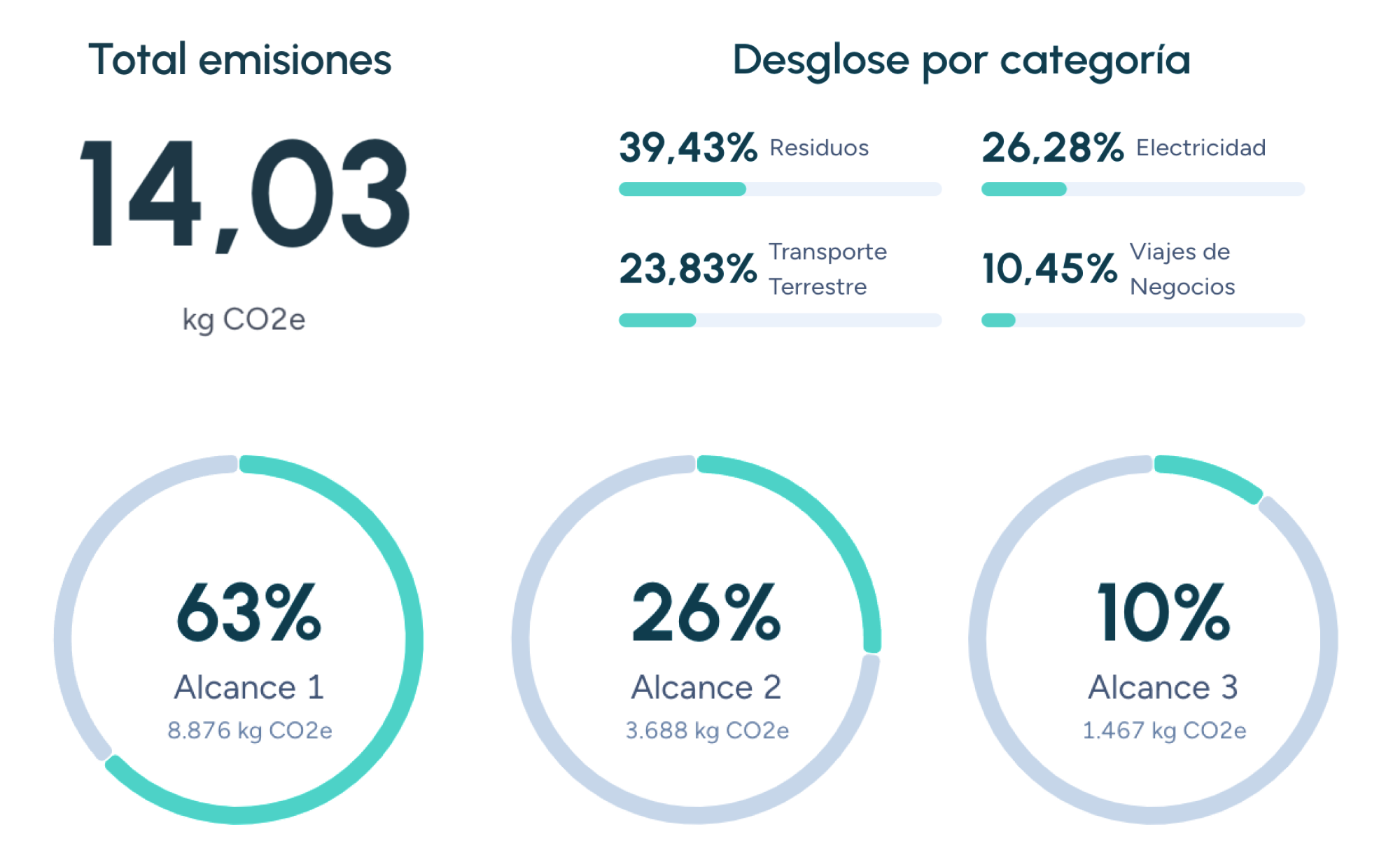
To judge whether climate neutrality has been reached, both emissions and removals must be measured and quantified using recognised methodologies such as the Greenhouse Gas Protocol, which organises emissions into three scopes:
- Scope 1 emissions: direct emissions from owned or controlled sources (for example, fuel combustion in company facilities).
- Scope 2 emissions: indirect emissions from purchased electricity, heat or steam.
- Scope 3 emissions: other indirect emissions across the company's value chain (for example, raw material transport or use of sold products).
Credible climate neutrality requires addressing emissions across all three scopes, not just the easiest ones.
Strategies to achieve climate neutrality
Reducing emissions
- Improving energy efficiency in buildings, industry and transport.
- Switching to renewable energy (solar, wind and others).
- Adopting circular economy practices to cut resource consumption.
- Promoting sustainable mobility (public transport, electric vehicles).
Carbon removal
- Conserving and restoring forests and natural ecosystems that act as carbon sinks.
- Deploying carbon capture and storage technologies and other carbon removals.
Offsetting as a last resort
Where emissions cannot yet be eliminated, companies can invest in high-integrity emissions offsetting projects that reduce or remove GHGs elsewhere. Offsetting should follow, not replace, genuine reduction efforts and should rely on credits that meet recognised quality benchmarks such as the ICVCM Core Carbon Principles.
A path to a sustainable future
Climate neutrality is not only an environmental goal but an opportunity to build a more resilient economy. It is closely linked to decarbonization, net-zero emissions and climate change mitigation. At Manglai we help companies measure their carbon footprint and prepare the reduction roadmap needed to move credibly towards neutrality. Discover how Manglai can help you.
Manglai Newsletter
Regulatory updates and product news, once a month.
Companies that trust us















Related terms
See all termsClimate resilience
Climate resilience is the capacity of natural, social and economic systems to anticipate, withstand and recover from climate impacts. A guide for companies building it.
Climate transition plan
A time-bound action plan that sets out how a company will align its business model with a 1.5°C and net-zero pathway.
Decarbonization
Decarbonization is the process of cutting greenhouse gas emissions across the economy to reach net zero. A practical guide to why it matters, the main strategies and how to measure progress.