Environmental aspects are any elements of an organisation's activities, products or services that interact, or can interact, with the environment. These interactions take many forms, such as releasing emissions to air, discharging effluents to water or soil, consuming natural resources, generating waste or affecting biodiversity. The resulting changes to the environment, whether adverse or beneficial, are known as environmental impacts: aspects are the cause, impacts are the effect.
The concept is central to ISO 14001, the international standard for environmental management systems, which requires organisations to identify their environmental aspects and determine which are 'significant' so they can be prioritised and controlled. The current version is ISO 14001:2026, published in April 2026, which supersedes ISO 14001:2015 and comes with a transition period running to April 2029. It broadens the environmental context organisations must consider, adding biodiversity, ecosystem health, pollution and resource availability alongside climate change, and introduces a dedicated change-management clause.
Why environmental aspects matter for the carbon footprint
The carbon footprint quantifies the greenhouse gas (GHG) emissions generated by an organisation's activities. By analysing its environmental aspects, a company can pinpoint its most significant emission sources and put measures in place to reduce them and progress toward decarbonisation.
Categories of environmental aspects
To make analysis easier, environmental aspects are usually grouped into categories such as:
- Air emissions: greenhouse gases such as carbon dioxide (CO₂), methane (CH₄) and nitrous oxide (N₂O), as well as other air pollutants.
- Water discharges: wastewater, chemicals or other pollutants released to surface water or groundwater.
- Waste management: the generation, handling, treatment and disposal of solid, liquid or hazardous waste.
- Resource consumption: use of natural resources such as water, energy, raw materials and fossil fuels.
- Biodiversity impact: effects on ecosystems, habitats and species.
Identifying and assessing environmental aspects
Identifying and assessing environmental aspects means reviewing operations thoroughly, considering both direct and indirect activities and both normal and abnormal operating conditions. Common tools include:
- Life Cycle Assessment (LCA): evaluates the environmental impact of a product or service across its life cycle, from raw-material extraction to end of life.
- Environmental risk assessment: identifies and evaluates the potential environmental risks of an organisation's operations.
- Environmental audits: systematic reviews that verify compliance with environmental legislation and internal policies.
Environmental aspects and the GHG Protocol
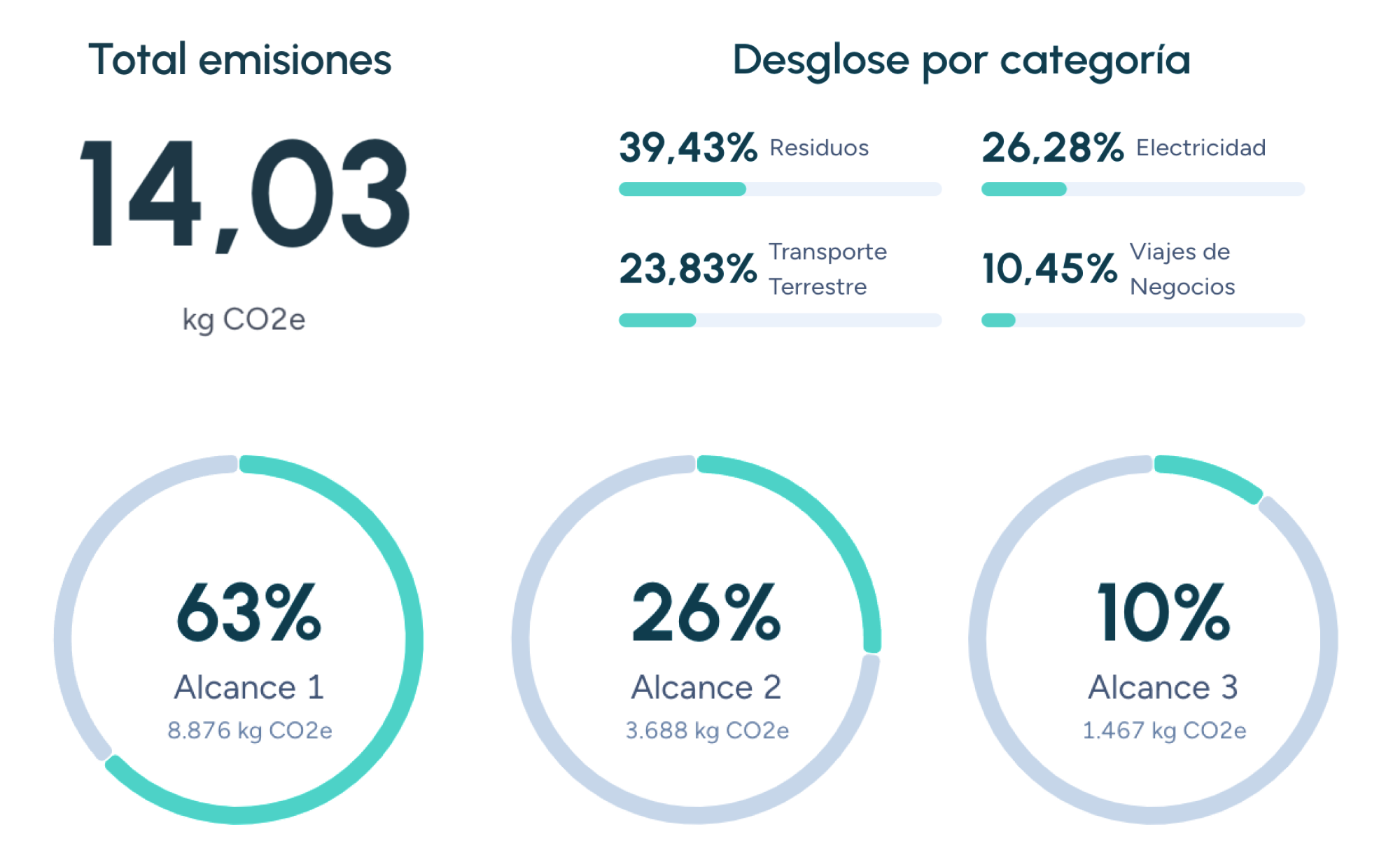
The Greenhouse Gas Protocol, the most widely used international standard for GHG accounting, helps organisations categorise the environmental aspects relevant to their carbon footprint by classifying emissions into three scopes:
- Scope 1: direct emissions from sources the company owns or controls.
- Scope 2: indirect emissions from purchased electricity, heat or steam.
- Scope 3: other indirect emissions across the value chain, from the supply chain and transport to product use and end-of-life treatment.
Environmental aspects and regulation
Environmental legislation increasingly requires companies to manage and disclose their environmental aspects. In the EU, the Corporate Sustainability Reporting Directive (CSRD) and the associated European Sustainability Reporting Standards (ESRS) have replaced the earlier Non-Financial Reporting Directive, which is now repealed, expanding the requirement to report on environmental impacts, including climate, pollution, water and biodiversity, on the basis of a double-materiality assessment. Since the Omnibus I simplification (Directive (EU) 2026/470, in force from 18 March 2026), the scope is limited to companies with more than 1,000 employees and more than 450 million euros in net turnover, with the first reports covering financial years starting on or after 1 January 2027.
Identifying and managing your environmental aspects is the first step toward credible sustainability performance. At Manglai we help companies measure their carbon footprint and prepare their sustainability reporting. Discover how Manglai can help you.
Manglai Newsletter
Regulatory updates and product news, once a month.
Companies that trust us















Related terms
See all termsEnvironmental impact
What environmental impact means, how it is classified and measured, and why quantifying it (starting with your carbon footprint) is the first step to reducing it.
Event carbon footprint
The event carbon footprint measures the emissions generated by a conference, festival or corporate meeting. We explain its sources and how to reduce them.
Fast Fashion
Fast fashion is a rapid, low-cost clothing model with a heavy environmental footprint. A look at its emissions, water and waste impacts, the new EU rules and how to do better.