Carbon neutrality is the state in which a person, company, organisation or country balances the greenhouse gas (GHG) emissions it generates with an equivalent amount that is reduced or removed from the atmosphere, so that net emissions equal zero for a defined scope and period. It is a central goal in corporate climate strategy and in the fight against climate change.
What is carbon neutrality?
Carbon neutrality is achieved through two complementary approaches: cutting emissions through real measures (efficiency, renewable energy, process changes) and balancing residual emissions through offsetting or removals. It helps limit global warming to manageable levels, in line with the Paris Agreement (UNFCCC, 2015).
Carbon neutrality and net zero
Carbon neutrality and net zero are related but not identical. Carbon neutrality can rely substantially on offsetting and may cover only certain scopes, whereas net zero requires deep emission cuts (typically around 90 to 95 per cent) across the full value chain, neutralising only a small residual with permanent removals. Modern standards treat neutrality as a step on the path to net zero, not the end point.
Why carbon neutrality matters
According to the Intergovernmental Panel on Climate Change (IPCC), GHG emissions such as carbon dioxide drive rising global temperatures and extreme weather. Reaching carbon neutrality reduces the net carbon added to the atmosphere and helps stabilise the climate. For businesses it also strengthens reputation, supports compliance with stricter rules and can open access to public tenders and finance. In Spain, the Ministry for the Ecological Transition and the Demographic Challenge (MITECO) runs a carbon footprint, offsetting and removals registry.
How carbon neutrality is measured
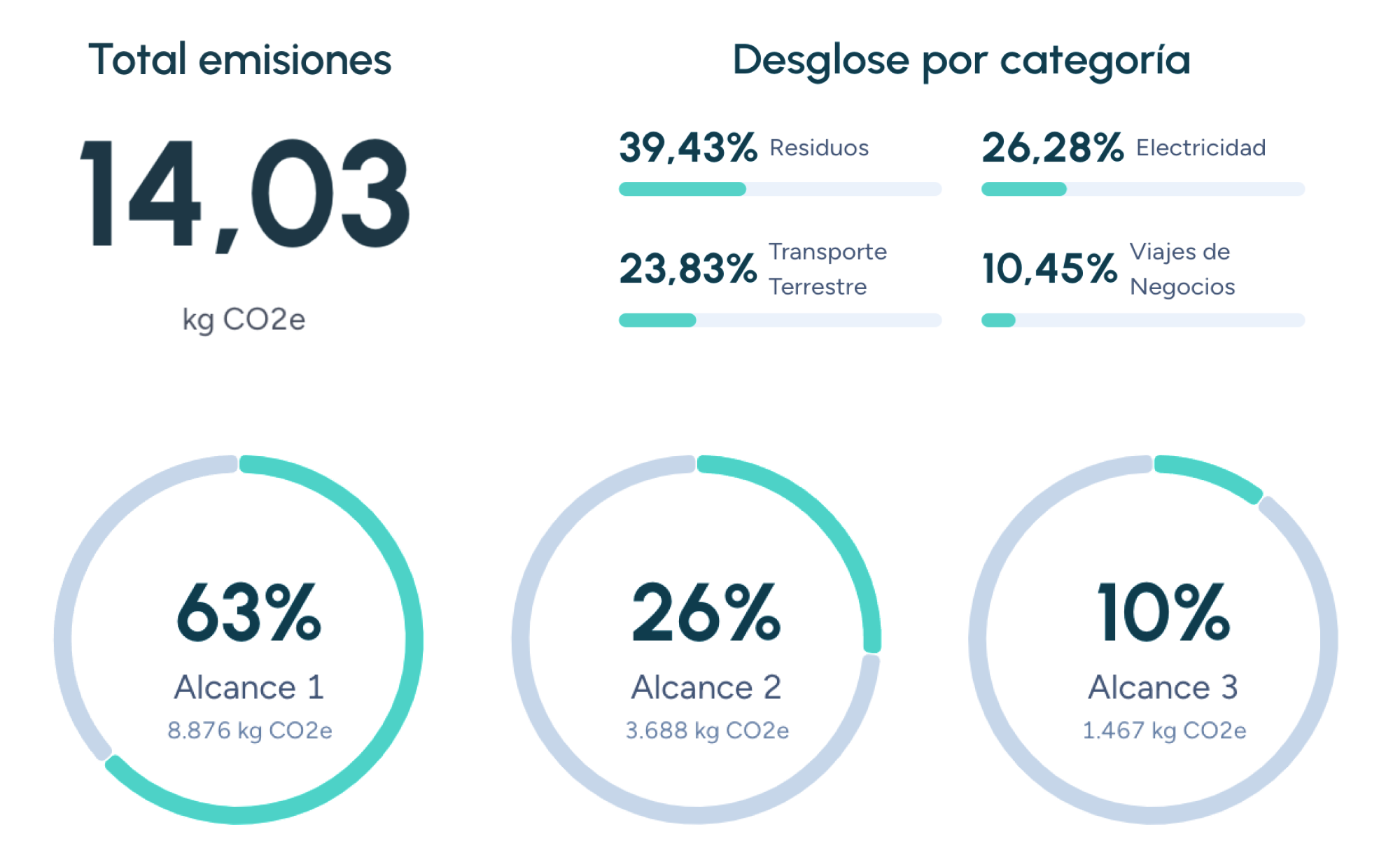
The first step is to measure GHG emissions, the carbon footprint, across three scopes:
- Scope 1: direct emissions from sources the organisation controls, such as vehicles or boilers.
- Scope 2: indirect emissions from purchased electricity, heat or steam.
- Scope 3: other indirect emissions across the value chain, such as suppliers or product use.
The most widely used standard for this is the GHG Protocol.
Steps to achieve carbon neutrality
- Measure emissions: calculate the carbon footprint, identify all sources and set a baseline.
- Reduce emissions: prioritise real reductions through renewable energy, energy efficiency and process optimisation.
- Offset residual emissions: use certified projects (reforestation, removals, clean technology) that meet recognised integrity criteria.
- Communicate results: report transparently to build trust and avoid greenwashing.
Standards and certification for carbon neutrality
The key international standard is now ISO 14068-1:2023, which specifies principles and requirements for demonstrating carbon neutrality and emphasises real reductions before offsetting and a clear pathway to net zero. It has replaced PAS 2060, the earlier British specification, which was officially withdrawn by BSI in November 2025. Quantification of the underlying footprint typically follows the GHG Protocol or ISO 14064, while product-level claims may use ISO 14067.
Companies must also be careful with green claims. In the EU, the Empowering Consumers Directive (Directive (EU) 2024/825), which applies from 27 September 2026, restricts generic environmental claims such as 'climate neutral' that rely solely on offsetting, requiring them to be substantiated. Aligning with the European Green Deal goal of climate neutrality by 2050 reinforces this direction.
Carbon neutrality is a crucial milestone in corporate sustainability. By measuring, reducing and then offsetting emissions, organisations cut their environmental impact and position themselves as climate leaders. At Manglai we help companies measure their carbon footprint, reduce emissions and prepare credible sustainability reporting. Discover how Manglai can help you.
Manglai Newsletter
Regulatory updates and product news, once a month.
Companies that trust us















Related terms
See all termsClimate change mitigation
Climate change mitigation covers the actions that reduce or prevent greenhouse gas emissions, or increase their absorption, to limit global warming. A guide to strategies and policy.
Climate neutrality
Climate neutrality means balancing the greenhouse gases a company or economy emits with the amount it removes, reaching a net-zero impact on the climate across all GHGs.
Climate resilience
Climate resilience is the capacity of natural, social and economic systems to anticipate, withstand and recover from climate impacts. A guide for companies building it.